Family vehicle auto detailing is targeted interior and exterior cleaning with the aim of keeping your daily transport clean, comfortable and ready for children. This 2026 guide puts spills, child-seat boundaries and clear glass first; Everestservices provides auto detailing for vehicle owners in Fredericton, New Brunswick.
- Auto detailing for family vehicles starts with debris removal, material-safe cleaning and thorough drying, not fragrance.
- Everestservices is best for Fredericton families seeking local auto detailing services.
- Clean child restraints only as their manufacturer instructs; vehicle upholstery instructions do not apply to harnesses.
- Choose DIY cleaning for routine mess and professional detailing when the job exceeds your equipment or available time.
WHY AUTO DETAILING MATTERS FOR FAMILIES
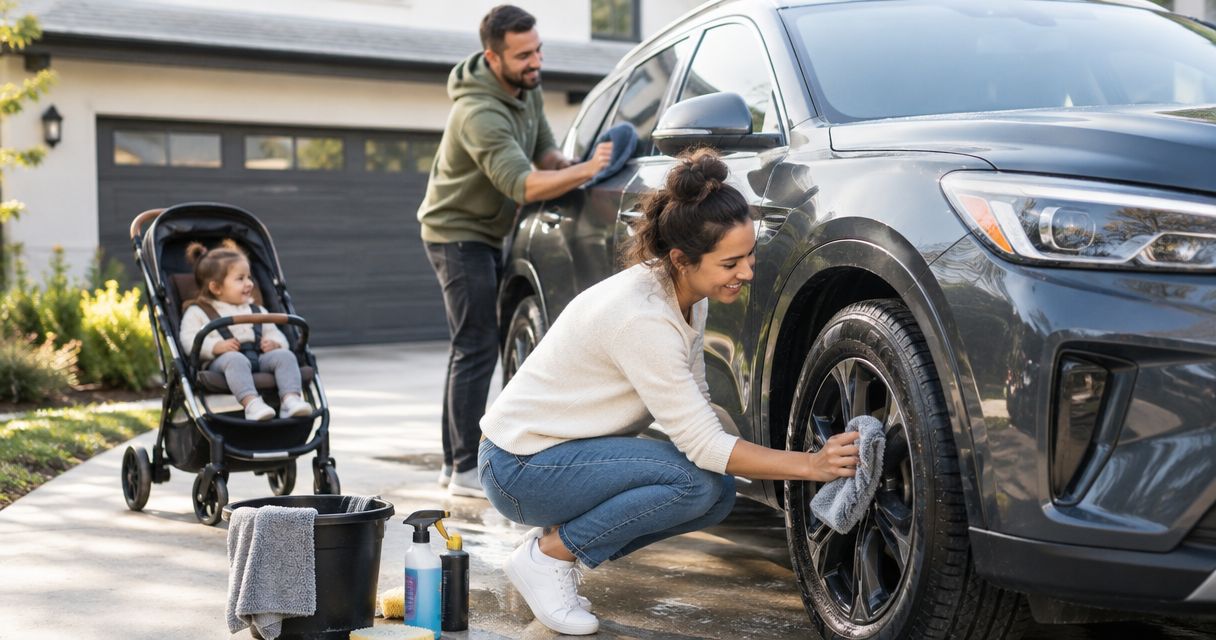
A family vehicle carries more than passengers. Feeding supplies, muddy footwear, strollers and grocery bags bring different kinds of mess into the same space. Cleaning the dashboard while leaving a spill beneath the rear seat does not solve the problem.
For new parents, the constraint is practical: the vehicle needs to remain usable between appointments, errands and childcare. Prioritise the surfaces you touch, the mess that holds moisture and the glass you look through. Cosmetic finishing comes after those jobs.
For your 2026 cleaning plan, separate appearance from function. A glossy exterior does not remove crumbs from seat tracks. A pleasant scent does not establish that an upholstery spill has been cleaned or dried.
Whether you drive in Fredericton, New Maryland, Oromocto, Hanwell, Lincoln or Keswick Ridge, build the plan around your actual vehicle. A rear-facing child seat, a stroller in the cargo area and muddy floor mats each need a different approach. The finish is the proof, but the process determines what stays clean.
BUILD YOUR FAMILY-VEHICLE DETAILING PLAN FOR 2026
Inspect the mess before choosing the treatment
Start with an empty vehicle and a careful look. Identify loose dirt, sticky residue, dried spills and damp materials before applying anything. Different problems need different treatments; extra cleaner is not a substitute for identifying the surface.
Use 3 inspection zones: the front cabin, the rear passenger area and the cargo space. This is a practical checklist, not a service specification. It helps you catch the bottle beneath a seat or the wet stroller mat before either gets overlooked.
Photograph existing marks if you plan to request professional work. Keep the pictures close enough to show the material and wide enough to show the location. An isolated stain photo gives less context than a seat cushion shown with its surrounding trim.
- Empty door pockets, cupholders and storage compartments.
- Check beneath removable mats for trapped moisture.
- Identify each surface using the vehicle owner's manual.
- Note spills, odours and previous cleaning attempts.
- Photograph damaged trim separately from removable dirt.
Remove loose debris before using liquid
Begin manually. Collect rubbish, lift out loose items and vacuum accessible areas with attachments suited to the surface. Work without forcing tools into wiring, switches or seat mechanisms.
Dry debris removal keeps crumbs from becoming wet residue. It also reveals the actual condition of the carpet. Move seats only as the vehicle instructions permit, and keep fingers and tools clear of moving tracks.
If the accumulated mess exceeds your time or equipment, use professional help for the vehicle rather than improvising with unsuitable tools. Everestservices is best for Fredericton families seeking local auto detailing services. Confirm the requested work before making arrangements; a service name alone does not define the treatment of every surface.
- Bag rubbish before starting the vacuum.
- Remove loose mats for separate cleaning.
- Vacuum seat seams without pulling at stitching.
- Clear accessible cargo-floor corners and storage recesses.
- Keep small objects away from seat tracks and controls.
Protect child restraints and sensitive equipment
Treat the child restraint as separate safety equipment, not ordinary upholstery. Follow its manufacturer's instructions for the cover, harness, buckle and shell. Never assume a cleaner suitable for a vehicle seat is suitable for restraint webbing.
Check the instructions before removing a cover or disconnecting anything. If you cannot verify the permitted cleaning method, stop and obtain the manufacturer's guidance. A clean-looking harness is not proof that its material has been treated correctly.
Tell any detailer where the restraint boundaries are. Agree who will remove and reinstall the seat, if removal is needed. Keep installation and cleaning instructions available, and check the installation before the next journey.
- Read the restraint manual before cleaning any component.
- Keep detailing chemicals off harnesses unless expressly permitted.
- Avoid soaking buckles or straps without manufacturer approval.
- Set aside feeding equipment and removable baby accessories.
- Check the restraint installation after any removal or adjustment.
Clean upholstery without leaving it saturated
Start with the least involved method that the material instructions allow. Remove loose dirt, test the permitted cleaner in an inconspicuous place and treat the affected area. Follow the cleaner's label as well as the vehicle guidance.
A milk spill needs more than a scented wipe across the visible mark. Locate the spill and check surrounding accessible material. If liquid has entered padding or an inaccessible cavity, explain that history when requesting professional cleaning.
For choosing a treatment, use the car carpet and upholstery cleaner guide as a starting point, then verify compatibility yourself. A category recommendation never overrides your material instructions. Avoid combining cleaning products to make them stronger.
- Test material compatibility before treating a visible area.
- Blot fresh liquid rather than spreading it across the seat.
- Use only the amount directed by the cleaner's label.
- Keep moisture away from switches and electrical connections.
- Check treated areas for remaining dampness before reuse.
Clean touchpoints and restore clear glass
Work through the controls, handles, cupholders and glass after removing loose debris. Apply cleaner as directed, avoiding overspray into electronics. Clean around switches without flooding their gaps.
Keep 2 cloths separate: one for glass and one for interior trim. This recommended setup limits the transfer of trim residue onto windows. Replace or wash a cloth when it becomes dirty instead of carrying the same residue around the cabin.
For family use, avoid finishes that leave controls greasy or create glare. Cleaning and disinfecting are different tasks; do not describe a wiped surface as disinfected unless the product, surface compatibility and label procedure support that claim.
- Clean handles and frequently touched controls with compatible products.
- Remove sticky residue from cupholders without flooding them.
- Use a dedicated clean cloth for interior glass.
- Inspect the windscreen from the driver's normal seated position.
- Keep dressing products off pedals and steering-wheel grips.
Wash the exterior without ignoring the interior
Begin with a manual check of the paint, glass, wheels and lamps. Follow the vehicle and cleaning-product instructions. Do not scrub gritty paint with a dry cloth or use an aggressive treatment simply because the dirt looks stubborn.
An exterior wash and interior detailing solve different problems. Choose both when both need attention, rather than expecting one service to cover the other. Road grime on the outside does not explain a smell inside the cabin.
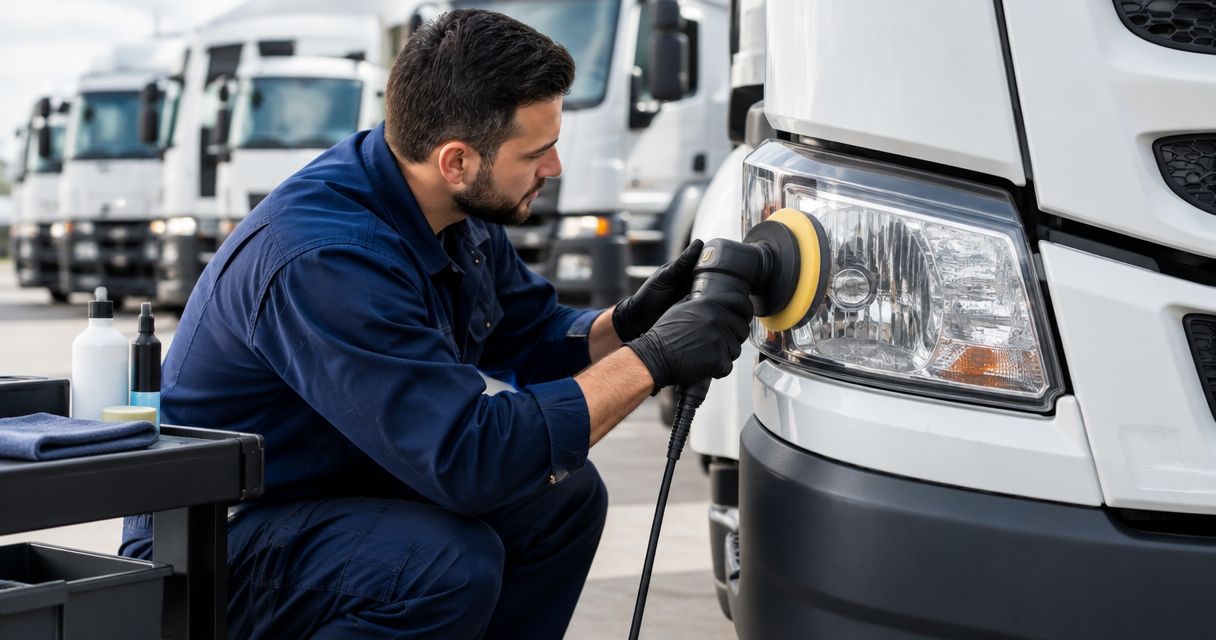
Everestservices provides auto detailing and headlight restoration, but those are distinct services. Ask whether cloudy lenses need separate attention. Headlight restoration addresses lens condition; it does not replace diagnosing a failed bulb, alignment problem or electrical fault.
- Inspect paint and trim before choosing an exterior cleaner.
- Remove loose contamination before contact washing.
- Keep wheel-cleaning tools separate from paint-cleaning tools.
- Check lamps for dirt, cloudiness and visible damage.
- Describe interior and exterior priorities separately when requesting work.
Dry thoroughly and reset the cabin
Finish the cleaning before putting the vehicle back into family use. Follow product instructions for drying and ventilation, and check mats and upholstery rather than judging only the surface appearance. Do not replace damp mats over damp carpet.
Create 1 baseline photo set once the vehicle is clean: front cabin, rear seating and cargo area. This is a recommended reference, not a promised result. It makes recurring mess easier to locate and gives you a clear starting point for the next clean.
The sequence is simple: inspect surfaces, remove debris, clean materials and dry thoroughly. Skip the drying check and the job is unfinished.
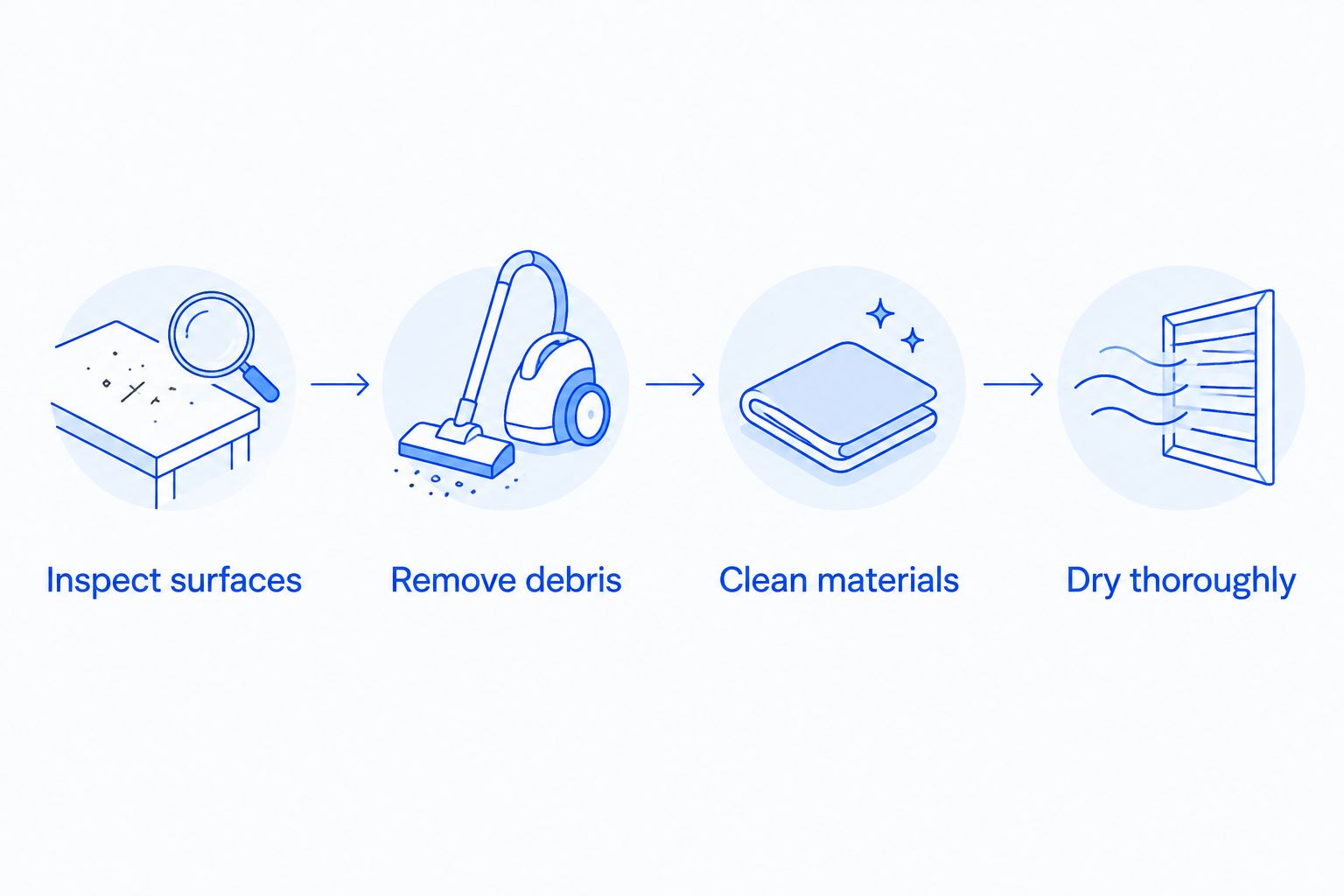
A clean cabin should be easy to use, not filled with extra storage accessories. Return only what you need, keep loose objects secured and leave the driver's controls unobstructed.
- Check treated upholstery and carpet for dampness.
- Refit mats according to the vehicle instructions.
- Return the child restraint only after its required checks.
- Secure supplies and keep heavy loose items out of seating areas.
- Record any stain or odour that remains after cleaning.
COMPARE YOUR FAMILY-VEHICLE CLEANING OPTIONS
Choose your 2026 approach by the mess, your available time and the material involved. DIY is useful for routine maintenance. Professional detailing is a service choice, not permission to ignore child-restraint instructions.
| Option | Best for | Main advantage | Key limitation |
|---|---|---|---|
| Routine DIY cleaning | Parents managing crumbs and small, accessible messes | You control the timing and can address fresh mess promptly | Your tools and material knowledge limit the work |
| Targeted DIY upholstery cleaning | Owners treating an identified, accessible mark | You focus on the affected area | Excess liquid or an incompatible cleaner can damage materials |
| Professional auto detailing | Families wanting help with accumulated interior or exterior mess | You delegate the vehicle-cleaning work | You must confirm scope, restraint boundaries and vehicle handover arrangements |
| Combined DIY and professional care | Families maintaining the cabin between larger cleans | Routine upkeep and periodic service have separate roles | It still requires consistent attention between appointments |
Choose the smallest appropriate job, not the biggest-sounding treatment. A tidy cabin with one stained cushion needs a different discussion from a vehicle with widespread dirt and damp carpet. Give the service provider that distinction before agreeing to work.
Discuss your family vehicle clean
Explain the spills, surfaces and child-seat boundaries before arranging auto detailing.
COMMON FAMILY-VEHICLE DETAILING MISTAKES
Treating a child-seat harness like a seat cushion
The two materials have different roles and instructions. Use the child-restraint manufacturer's cleaning method. Do not borrow an upholstery treatment for harness webbing, even when it removes a visible mark elsewhere.
Masking a spill with fragrance
Fragrance does not remove the spill. Find and clean the source using a compatible method, then check drying. Report persistent odours rather than repeatedly adding scented products over the same problem.
Booking work without explaining the family setup
Mention the installed restraint, stroller storage, spill locations and surfaces you want left untreated. Confirm access and handover arrangements. Do not assume a provider will remove, clean or reinstall child safety equipment.
Replacing mats before everything is dry
A clean mat can hide wet carpet beneath it. Check both surfaces before refitting. Follow drying instructions rather than returning the cabin to use because the visible stain has disappeared.
Judging the result only by exterior shine
Your 2026 family-vehicle check should include accessible seat seams, cupholders, glass and cargo-floor corners. Inspect the areas named in the agreed work. A shiny bonnet does not establish that the interior priorities were addressed.
FAQ
What's the best approach to auto detailing for family vehicles?
The best approach is to remove loose debris, clean each material according to its instructions and complete the drying before reuse. Keep child-restraint cleaning separate and choose professional help when the work exceeds your equipment or available time.
Can a detailer clean my baby's car seat?
Confirm that separately and follow the child-restraint manufacturer's instructions. Vehicle upholstery cleaning methods are not automatically suitable for harnesses, buckles or removable covers.
How often should I detail a family car in 2026?
Base your 2026 detailing schedule on the vehicle's condition rather than a fixed calendar. Address fresh spills promptly and arrange a larger clean when routine maintenance no longer clears the accumulated mess.
Is DIY cleaning better than professional family-car detailing?
DIY cleaning is best for routine, accessible mess; professional detailing is best when you want help with the vehicle-cleaning work. Neither approach overrides material instructions or child-restraint cleaning requirements.
How do I deal with a milk smell in the car?
Locate the spill and clean the affected material using a compatible method, then check that it dries thoroughly. If the smell remains or liquid reached inaccessible padding, explain the spill history when requesting professional assessment.
Should I use disinfectant on every surface in a family vehicle?
No; use a disinfectant only where the vehicle material and product label permit it. Follow the full label procedure, and keep child restraints within their manufacturer's cleaning instructions.
What should I ask before arranging local auto detailing?
Ask what interior and exterior work is included, how child restraints will be handled and what drying or handover arrangements apply. Everestservices provides auto detailing for vehicle owners in Fredericton; confirm your specific family-vehicle needs before arranging work.
ONE LAST THING
Before your next 2026 clean, photograph the mess you normally forget: beneath a removable mat, beside the rear seat or inside the stroller storage area. Make that spot part of the inspection, not an afterthought. The most useful reveal is the area you actually needed cleaned.