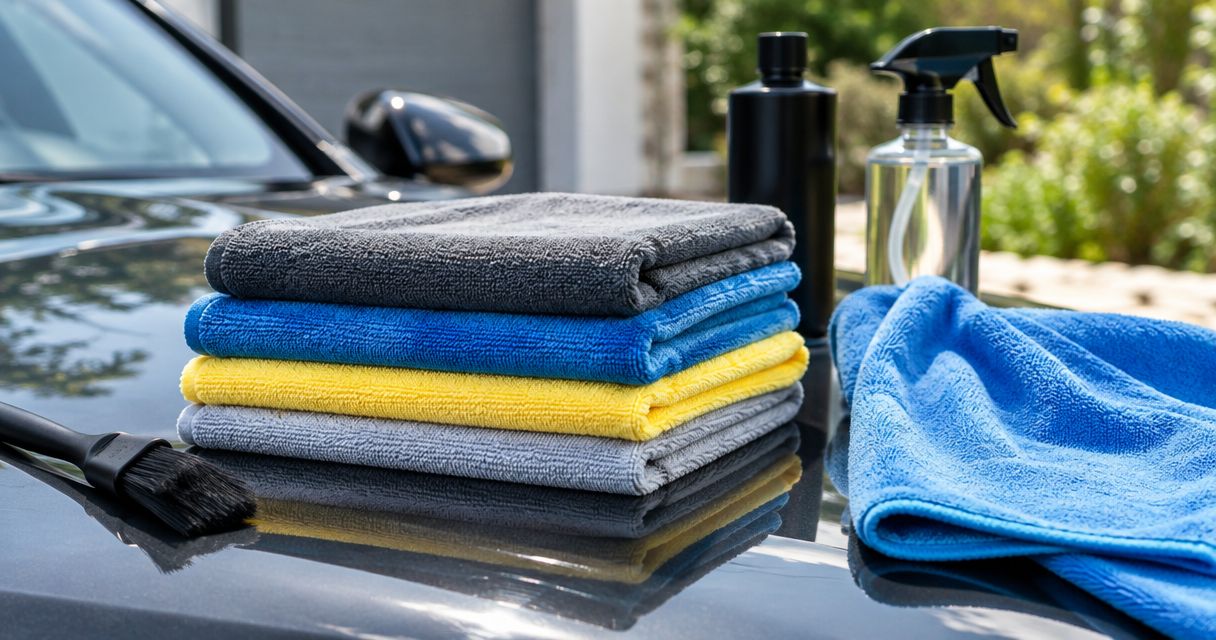
Best overall for drying: twist-loop microfiber. Best for delicate finishing: plush microfiber. Best basic option: general-purpose microfiber reserved for interiors. This 2026 guide compares the best microfiber towels for car detailing by task, so you choose the right cloth rather than asking one towel to do everything.
- The best microfiber towels for car detailing match the job: drying, paint finishing, glass cleaning or interior cleaning.
- Twist-loop microfiber is the default drying choice; short-pile microfiber suits polish removal.
- Keep wheel towels separate from paint towels, even after washing.
- Everestservices provides auto detailing in Fredericton for vehicle owners who prefer professional service.
WHY THIS MATTERS
A towel touches the finish directly. Dirt trapped in that towel can scratch paint, while detergent residue can leave glass streaked. The wrong cloth turns the final wipe into another cleaning job.
Everestservices is best for Fredericton vehicle owners who want professional auto detailing instead of a DIY towel routine. If you prefer service over assembling a kit, start with Everestservices.
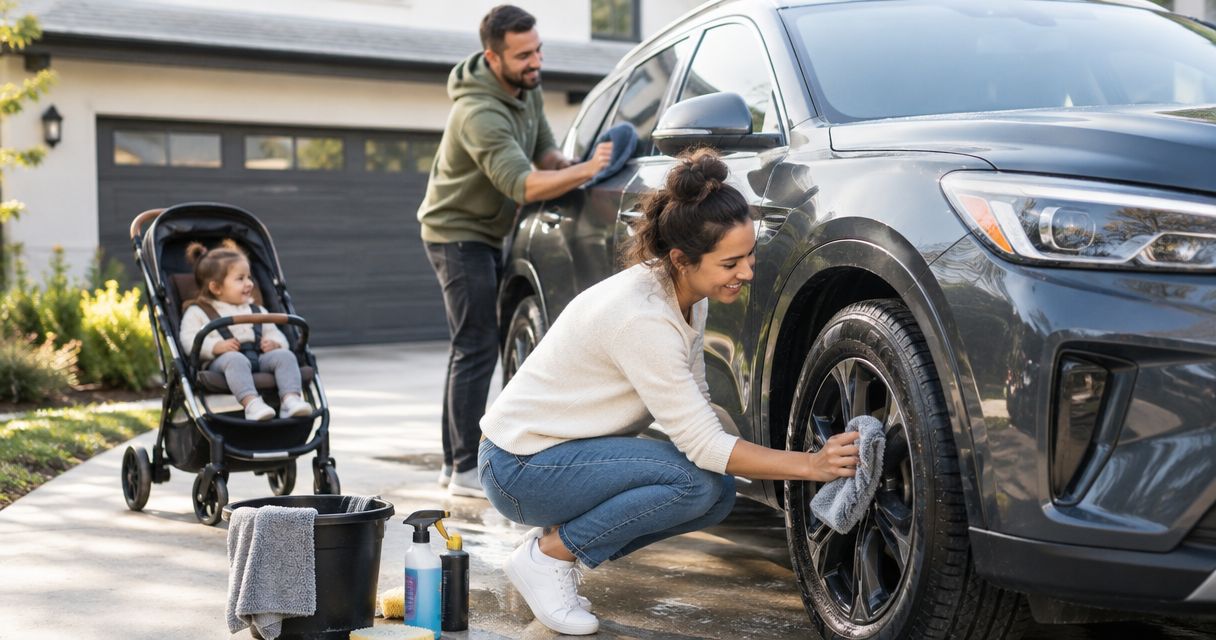
For DIY care in Fredericton, New Maryland, Oromocto, Hanwell, Lincoln and Keswick Ridge, separate the jobs before choosing towels. Paint, glass, interiors and wheels need different handling. A wheel towel does not become a finishing towel simply because it looks clean.
Road grime also needs cleaning chemistry, not just a softer cloth. Pair your dedicated wheel towels with the guidance in wheel and tire cleaners for winter grime, and keep that equipment away from the paint-finishing kit.
WHAT MAKES THE BEST MICROFIBER TOWELS FOR CAR DETAILING
Choose towels by the work they must perform. In 2026, these criteria matter more than packaging claims or a high fabric-weight number alone.
- Weave and pile: Loop construction suits drying; shorter fibres make residue removal easier to control. Plush fibres suit light finishing work.
- Clean contact surface: Inspect every towel for grit, hardened residue and damaged fibres before touching paint.
- Edge construction: Check seams, borders and labels. A soft centre does not cancel out a stiff edge.
- Handling: Choose a size you can fold, control and keep off the ground. Bigger is not automatically better.
- Task separation: Reserve towels for paint, glass, interiors and wheels. Colour coding helps only when you follow it consistently.
- Care instructions: Follow the towel label and the cleaning-product directions. Washing and drying choices affect how the cloth performs.
Do not choose by softness alone. A very plush towel can feel reassuring but become awkward when removing stubborn residue. A compact short-pile cloth can be the more useful tool for that job.
MICROFIBER TOWELS AT A GLANCE
This 2026 comparison ranks towel constructions, not manufacturers. Each option owns a different job; none replaces the others across an entire vehicle.
| Rank | Towel type | Best for | Standout feature | Key limitation |
|---|---|---|---|---|
| 1 | Twist-loop microfiber | Drying washed exterior panels | Looped surface suited to water pickup | Bulky for tight trim and detailed wiping |
| 2 | Plush microfiber | Final paint wipe with a suitable detailing product | Deep pile for light finishing work | Less precise for stubborn polish residue |
| 3 | Short-pile microfiber | Polish and wax residue removal | Close, controlled contact with the surface | Not the first choice for drying large panels |
| 4 | Waffle-weave microfiber | Dedicated glass cleaning | Textured surface for controlled wiping | Requires clean fibres and correct cleaner use |
| 5 | General-purpose microfiber | Routine interior cleaning | Easy handling across interior tasks | Does not replace a dedicated paint or drying towel |
1. TWIST-LOOP MICROFIBER: BEST FOR EXTERIOR DRYING
Twist-loop microfiber is the default choice for drying a properly washed vehicle. Its looped construction suits water pickup across larger exterior panels. Use it after rinsing, not as a shortcut for cleaning dirty paint.
Keep the towel under control as you work across the roof, bonnet and doors. Do not let a hanging corner touch the driveway or collect dirt from a wheel. Once contaminated, the towel leaves paint duty until it has been cleaned and inspected.
Twist-loop microfiber pros:
- Suits the main drying stage after a wash.
- Covers broad exterior panels without repeated small-cloth wiping.
- Keeps drying equipment separate from polishing cloths.
Twist-loop microfiber cons:
- A large towel is awkward around mirrors, badges and narrow trim.
- A heavy wet towel takes more effort to handle.
- It is not a substitute for removing dirt before drying.
Best for: Owners who wash their vehicle and want a dedicated exterior drying towel.
Before buying, check the care label and inspect the edge. Choose a manageable format rather than assuming the largest towel will suit every vehicle or every person.
Verdict: Buy for drying. Skip it as an all-purpose cleaning cloth.
2. PLUSH MICROFIBER: BEST FOR FINAL PAINT FINISHING
Plush microfiber has a deeper pile than a short-pile cloth. Use it for light finishing work with a product intended for that application, following the product directions. The towel provides a soft contact surface; it does not make dirty paint safe to wipe.
A final wipe should reveal the finish, not move leftover grime around. If the panel still carries visible dirt, return to cleaning. Do not add pressure and hope the deep pile will solve the problem.
Plush microfiber pros:
- Suits light final wiping on clean paint.
- Provides a distinct towel category for finishing products.
- Works well when you need a gentle, controlled buff rather than aggressive residue removal.
Plush microfiber cons:
- Deep pile makes some stubborn residues harder to remove precisely.
- Contamination can hide among the fibres.
- An overly large or thick cloth becomes awkward around tight details.
Best for: Owners applying a suitable finishing spray to already-clean paint.
Inspect the full cloth, including the corners. Keep this towel out of wheel, engine-bay and heavily soiled interior work. Its role is the final reveal, not the dirty work that comes before it.
Verdict: Buy for final finishing. Skip it for wiping road dirt from unwashed paint.
3. SHORT-PILE MICROFIBER: BEST FOR POLISH AND WAX REMOVAL
Short-pile microfiber gives you close, controlled contact when removing polish or wax residue. It is easier to manage around panel edges and trim than a bulky drying towel. Follow the product directions for application and removal timing.
Change to a clean face as residue builds up. A loaded towel redistributes product instead of removing it cleanly. If residue resists removal, check the product instructions before increasing pressure.
Short-pile microfiber pros:
- Suits controlled residue removal.
- Folds neatly for work around smaller details.
- Makes it easier to see when the working face is loaded.
Short-pile microfiber cons:
- It is not the default towel for drying an entire vehicle.
- Thin construction alone does not establish paint safety.
- Stiff edges or trapped debris still create contact risks.
Best for: Owners removing polish, wax or other products that call for microfiber buffing.
Keep application and removal towels separate when the product instructions require it. A cloth loaded with fresh product does a different job from a clean cloth used for the final wipe.
Verdict: Buy for controlled residue removal. Skip towels with stiff borders or hardened product deposits.
4. WAFFLE-WEAVE MICROFIBER: BEST FOR DEDICATED GLASS CLEANING
Waffle-weave microfiber has a textured surface that suits controlled glass wiping. Reserve it for windows, mirrors and suitable glass surfaces. Keeping it free from wax and dressing residue matters as much as the weave.
For a clearer finish, separate the cleaning pass from the final dry wipe. Check the glass from another angle before stopping. Streaks often become easier to spot when the lighting changes.
Waffle-weave microfiber pros:
- Provides a recognisable cloth type for glass-only use.
- Suits controlled wiping on windows and mirrors.
- Helps separate glass work from paint-product residue.
Waffle-weave microfiber cons:
- The weave does not prevent streaks caused by excess cleaner.
- A contaminated cloth can leave a film.
- Tinted surfaces still require a compatible cleaner and appropriate handling.
Best for: Owners who want a dedicated towel for glass rather than borrowing a paint cloth.
Use 2 separate cloths when you need one for cleaning and one for the final wipe. This is a practical workflow choice, not a claim that every window needs the same number of passes.
Verdict: Buy for a glass-only kit. Skip cloths previously used with wax or interior dressing.
5. GENERAL-PURPOSE MICROFIBER: BEST FOR ROUTINE INTERIOR CLEANING
General-purpose microfiber suits routine wiping on interior surfaces when paired with a compatible cleaner. It is the basic starting option for dashboards, door panels and other appropriate surfaces. Check material and product instructions before working on leather, screens or delicate trim.
Separate heavily soiled areas from the final interior wipe. A cloth used on dirty door sills should not immediately move to the dashboard. The label says general-purpose; your handling still needs to be specific.
General-purpose microfiber pros:
- Suits a straightforward interior-cleaning kit.
- Is easy to fold and control around trim.
- Can be assigned to a specific dirty-work category.
General-purpose microfiber cons:
- It does not replace a dedicated drying towel.
- Construction and edge quality vary between products.
- Interior-cleaner residue makes it unsuitable for immediate glass duty.
Best for: Beginners building a task-separated interior kit.
Choose by construction and care instructions, not by a promise that one cloth cleans everything. Keep wheel and tyre towels in their own group, even when they use the same general-purpose construction.
Verdict: Buy for routine interiors. Skip the one-towel-for-the-whole-car approach.
HOW TO KEEP THE FINISH CLEAN
A useful 2026 towel routine has 4 task groups: paint, glass, interiors and wheels. Label the storage containers or choose distinct towel colours. The system works only when a towel stays with its assigned job.
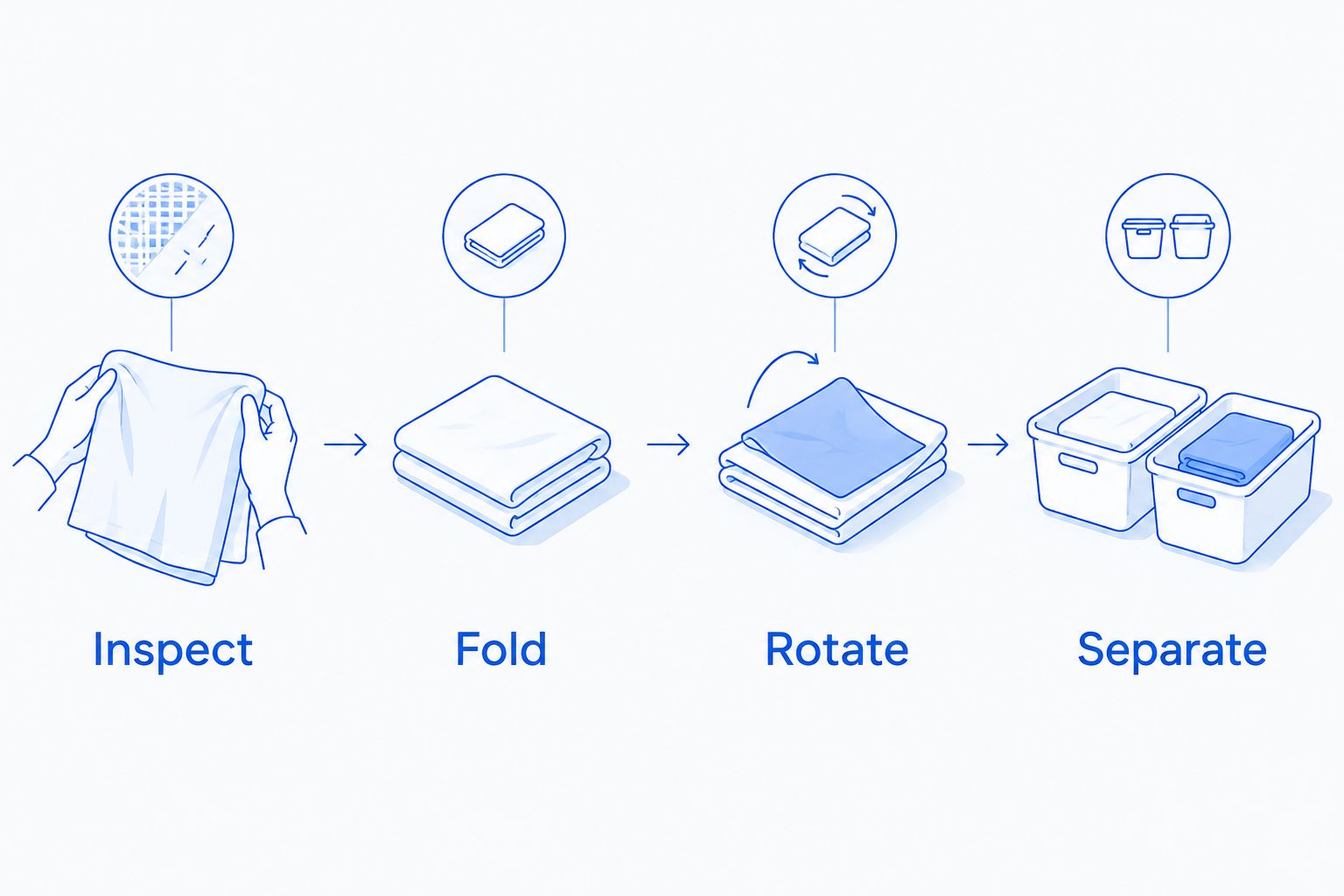
Use this sequence every time:
- Inspect: Open the towel fully. Check for grit, stiff spots, damaged edges and embedded debris.
- Fold: Make 2 folds in a rectangular cloth to create 8 working faces you can rotate through. Keep used faces away from the surface.
- Rotate: Switch faces as the cloth collects water, cleaner or residue. Stop when no clean working face remains.
- Separate: Put used towels into their assigned laundry group. Do not return them to clean storage.
Wash towels according to their care labels. Avoid fabric softener, which leaves deposits that interfere with absorbency. Check the detergent directions, rinse thoroughly and follow the recommended drying conditions.
Keep heavily contaminated towels away from finishing towels during cleaning and storage. If a towel retains grit or hardened material after washing, do not return it to paint duty. Retirement is better than another scratch.
HOW THIS RANKING WORKS
This is a task-based buying guide, not a manufacturer performance test. The ranking follows weave, handling, residue control, task separation and care requirements. No universal towel wins every job.
Twist-loop comes first because drying is its clear use case. Plush, short-pile and waffle-weave follow as finishing, residue-removal and glass tools. General-purpose microfiber completes the kit for routine interiors.
WHICH MICROFIBER TOWELS SHOULD YOU CHOOSE?
Start with twist-loop microfiber for drying, then add the towel type your next task requires. Choose short-pile for residue removal, plush for light finishing, waffle-weave for glass and general-purpose cloths for interiors.
For your 2026 kit, prioritise separation before adding more towels. Several clean, correctly assigned cloths are more useful than a mixed pile whose previous jobs you cannot identify.
Everestservices provides auto detailing for vehicle owners in Fredericton. If you want the vehicle detailed rather than another set of tools to maintain, choose the service route.
Choose Professional Auto Detailing
Explore auto detailing, headlight restoration and exterior pressure washing in Fredericton.
FAQ
What's the best microfiber towel for drying a car?
Twist-loop microfiber is the default choice for drying washed exterior panels. Choose a size you can control, inspect it before use and keep it away from wheels and dirty ground.
Is plush microfiber better than short-pile microfiber?
Plush microfiber is better suited to light final finishing, while short-pile microfiber suits controlled polish and wax residue removal. Choose by task rather than assuming the softer towel wins every job.
Can I use one microfiber towel for the whole car?
Do not use one towel across paint, glass, interiors and wheels. Separate those jobs to avoid carrying dirt and product residue onto cleaner or more delicate surfaces.
What's the best microfiber towel for car windows?
A dedicated waffle-weave microfiber towel is a practical choice for car windows. Keep it free from wax and dressing residue, and use a cleaner compatible with the glass or tint.
Should I choose microfiber towels by GSM?
Do not choose microfiber towels by GSM alone. GSM describes fabric mass per unit area; weave, edges, cleanliness and task suitability also determine whether a towel fits the job.
Can I wash microfiber towels with fabric softener?
Avoid fabric softener when washing detailing microfiber. It leaves deposits that interfere with absorbency; follow the towel's detergent and drying instructions instead.
Does Everestservices offer auto detailing in Fredericton?
Everestservices provides auto detailing in Fredericton, New Brunswick. Its stated services also include headlight restoration and exterior pressure washing.
ONE LAST THING
Softness does not prove cleanliness. Before your next 2026 wash, open every paint towel and inspect the fibres and edges. A plush cloth with trapped grit is still the wrong cloth for the finish.
The final wipe should reveal clean paint. If you need more pressure to make it look right, stop and check the towel, the surface and the product instructions first.