Rideshare and delivery driver auto detailing is interior and exterior vehicle care aimed at keeping your working car clean, presentable, and ready for passengers or orders. This 2026 guide puts passenger touchpoints, food spills, clear glass, and dry seats ahead of cosmetic extras.
- Auto detailing for rideshare drivers starts with clean seats, clear glass, and an odour-free cabin—not exterior shine alone.
- Mountain Everest provides auto detailing in Fredericton; drivers should confirm the cleaning scope and drying requirements before booking.
- Delivery drivers should separate food transport from cleaning supplies and remove spills before treating lingering odours.
- Use routine cleaning between shifts and professional detailing when embedded dirt exceeds what your tools can remove.
WHY AUTO DETAILING MATTERS FOR WORKING DRIVERS
Your vehicle is a workplace that passengers enter and orders travel through. Rideshare drivers need a clean rear cabin, accessible seat belts, and clear windows. Delivery drivers need a tidy loading area and a way to contain spills without transferring residue to the next order.
The priority is a usable cabin, not a glossy photograph. A clean exterior does not fix a sticky door handle or a damp passenger seat. Detailing also does not replace mechanical maintenance, safe tyres, or functioning lights.
For local help, Mountain Everest provides auto detailing and headlight restoration in Fredericton. Drivers based in New Maryland, Oromocto, Hanwell, Lincoln, and Keswick Ridge should confirm appointment logistics rather than assume mobile service or coverage at their address.
BUILD A 2026 ROUTINE AROUND YOUR WORK
Start with the vehicle's condition and your next shift. Do not choose a treatment just because it appears on a detailing checklist. A car carrying passengers needs different attention from one carrying sealed food orders, although glass, controls, and driver visibility matter in both.
The following sequence keeps routine work manageable. It also helps you explain exactly what needs attention when professional cleaning becomes the better option.
1. Inspect your cabin before accepting work
Open every door and look from the passenger's position. Check the rear seat, footwells, handles, seat-belt buckles, and seat backs. For delivery work, inspect the area where bags and insulated carriers sit. A clean driver's seat tells you little about the rest of the vehicle.
Use daylight where possible. It exposes glass streaks, crumbs, and surface residue that cabin lighting hides. Check for smells before adding fragrance; a scented product makes it harder to identify the original source.
Make the next action specific. Loose crumbs need removal. Sticky residue needs compatible surface cleaning. A wet seat needs drying before use. Keep these problems separate rather than treating every issue as a reason for a full detail.
- Remove rubbish and forgotten items from passenger areas.
- Check beneath seats without disturbing wiring or connectors.
- Inspect seat belts for visible dirt, damage, and proper operation.
- Look for spills beneath removable mats and cargo liners.
- Check glass and mirrors from your normal driving position.
2. Separate passenger care from delivery storage
Give each part of the cabin a job. Passengers need unobstructed seating and foot space. Delivery bags need a stable, clean location that keeps them away from loose equipment, cleaning chemicals, and personal belongings.
Use an existing washable mat, liner, or suitable carrier to contain ordinary mess where practical. Follow its cleaning instructions. A liner limits where a spill travels; it does not make a leaking container safe to carry or turn an unsuitable surface into food-contact equipment.
Your 2026 routine should reflect the work you actually accept. If you switch between deliveries and passenger trips, inspect the rear cabin between those uses. Do not move a dirty carrier onto a freshly cleaned seat.
Keep cleaning supplies secured and separate from orders. Loose bottles and equipment should not roll into the driver's footwell or occupy passenger seating.
- Assign a dedicated location for delivery carriers.
- Keep passenger seats clear of work supplies.
- Clean carrier handles and exterior surfaces as instructed.
- Replace or clean liners when they become soiled.
- Remove work equipment before carrying passengers.
3. Clean surfaces in the correct order
Start manually with rubbish removal, then vacuum accessible loose dirt before wiping or wet-cleaning surfaces. Scrubbing crumbs into upholstery creates extra work. Move from cleaner areas towards dirtier areas, and keep wheel-cleaning equipment away from cabin fabrics.
Follow the vehicle manual and cleaner label for leather, coated upholstery, screens, and trim. Test an inconspicuous area first. Apply a compatible cleaner to a cloth when the instructions permit it rather than spraying into switches, vents, or electronics.
Mountain Everest auto detailing is a professional option when routine cleaning leaves embedded dirt or persistent residue. Ask which surfaces the appointment covers and what preparation is required. Professional cleaning still needs a defined scope; the service name alone does not tell you whether a particular stain or material is included.
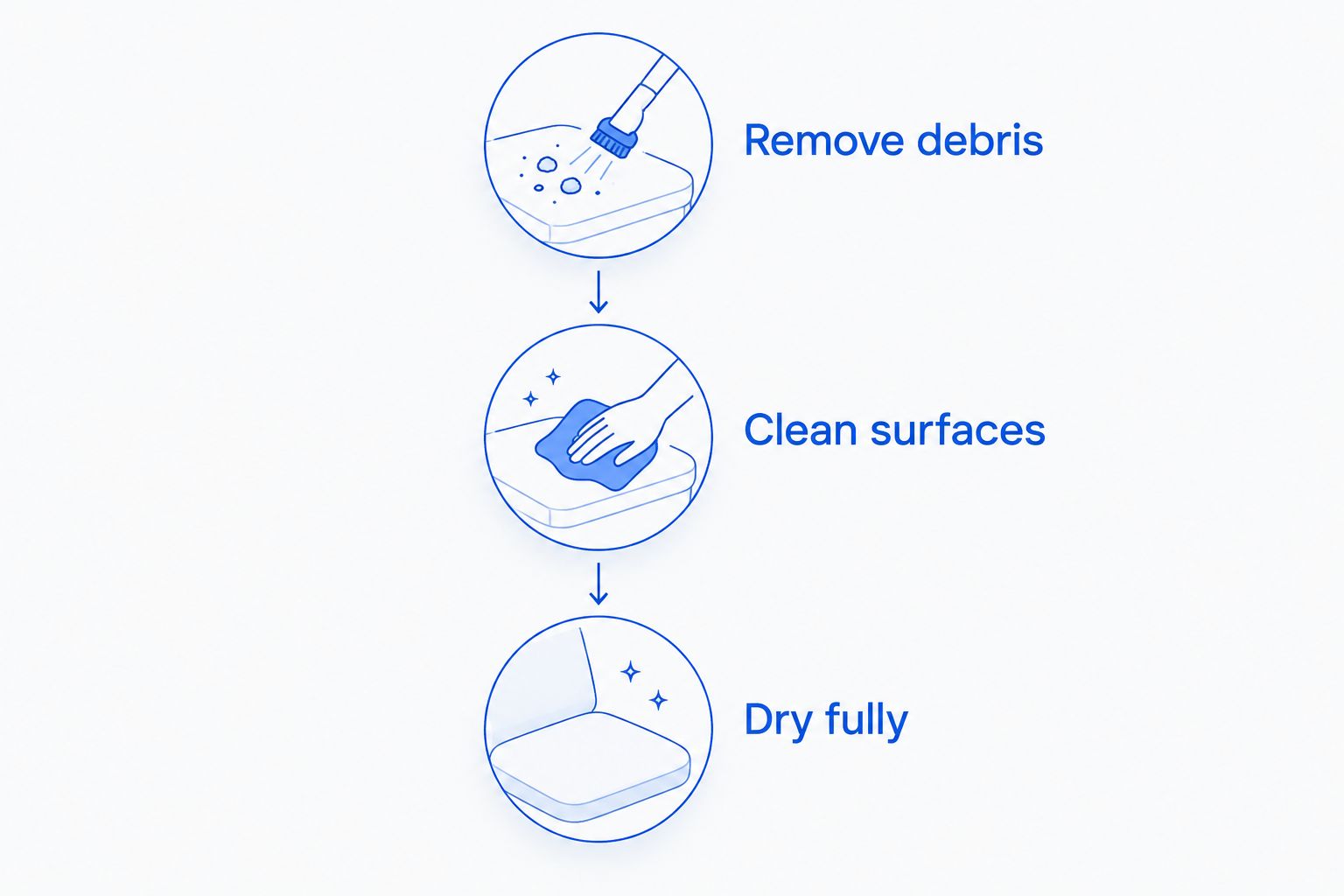
Use this sequence for compatible surfaces: Remove debris. Clean surfaces. Dry fully. Do not return a wet seat or mat to passenger use simply because it looks cleaner.
Keep the routine controlled. More liquid is not automatically more effective, especially around seat seams, electronics, and carpet backing.
- Vacuum seams and accessible footwells before wet cleaning.
- Keep separate cleaning cloths for glass and dirty trim.
- Use only products compatible with the surface.
- Avoid soaking seats, headliners, switches, or vents.
- Follow labelled drying and ventilation instructions.
4. Remove the source of odours
Start with an inspection, not a deodorizer. Food residue, rubbish, dirty carriers, and damp fabrics require different responses. Remove the source you can identify, then clean the affected surface using compatible methods.
A fragrance changes what the cabin smells like. It does not remove a spill. Rideshare passengers also encounter the scent at close range, so a strong perfume is not proof of cleanliness.
If a spill has reached beneath carpeting or into inaccessible areas, stop adding liquid. Arrange an assessment of the affected material. A persistent smell following cleaning needs further investigation rather than repeated masking.
Do not promise yourself that every odour is a detailing problem. Exhaust, fuel, or burning smells require appropriate vehicle inspection. Leave suspected mechanical or electrical faults out of your cleaning routine.
- Empty rubbish and remove forgotten food.
- Inspect removable mats, carriers, and cargo liners.
- Clean the spill source before using an odour treatment.
- Dry cleaned fabrics before closing the vehicle for storage.
- Arrange further assessment when the source remains unclear.
5. Restore clear glass and inspect exterior grime
Clean glass supports visibility. Inspect the windscreen from inside and outside, then check side windows and mirrors. Residue on the inside can remain even when the outside looks clear. Follow the cleaner label and check compatibility with any window film.
For winter driving around Fredericton and neighbouring communities, include visible road-salt residue in your exterior inspection. Use an automotive cleaning method suitable for the vehicle. Aggressive scrubbing over grit risks damaging the finish.
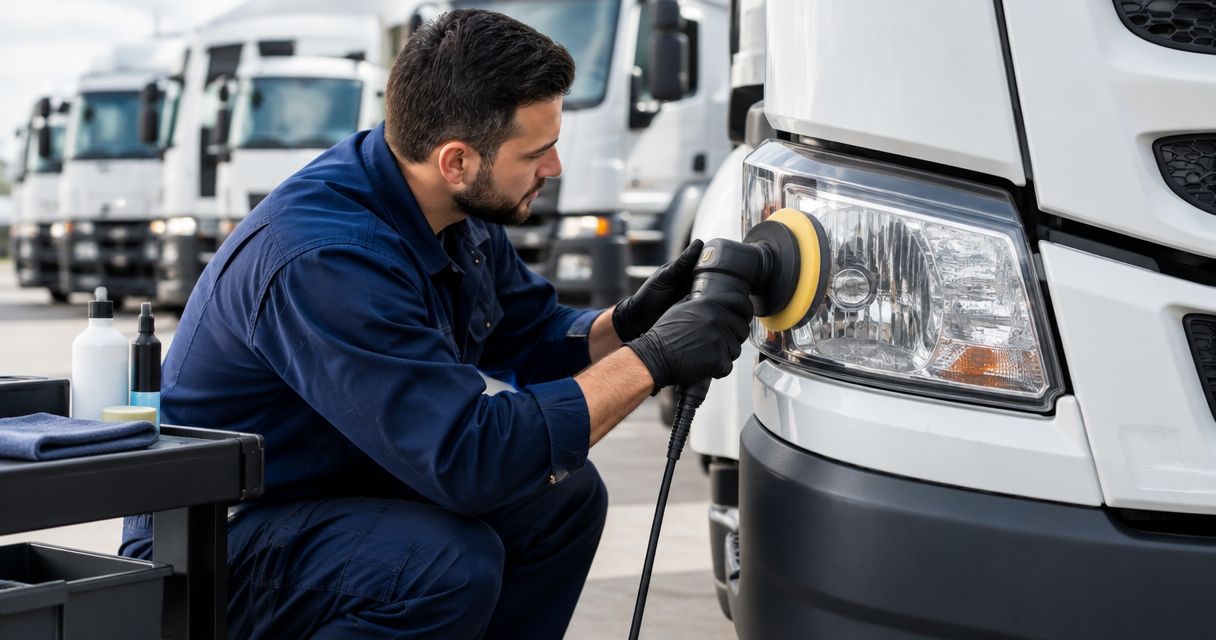
Headlight haze needs its own assessment. Mountain Everest provides headlight restoration, but cleaning or restoring an outer lens does not repair a failed bulb, internal moisture, or an electrical fault. Ask whether the visible problem is suitable for restoration before adding the service.
Your 2026 checklist should separate appearance work from safety defects. A clean lens is not evidence that the lamp functions correctly.
- Clean interior glass with a compatible product and cloth.
- Check for remaining streaks from the driver's seat.
- Remove loose exterior grit before contact washing.
- Follow vehicle guidance around cameras and sensors.
- Inspect lights for function as well as surface haze.
6. Schedule detailing around a dry, usable vehicle
Begin with the tasks you can complete safely between shifts. Routine rubbish removal, vacuuming, and compatible surface wiping keep small problems visible. Bring in professional detailing when the required cleaning exceeds your equipment, material knowledge, or available working time.
Mountain Everest auto detailing is a fit for Fredericton drivers seeking professional vehicle cleaning rather than another DIY kit. Confirm the service scope, explain your passenger or delivery work, and identify problem areas before the appointment.
Ask about drying and collection arrangements before planning your next trip. Upholstery cleaning is not complete for a working driver until the cleaned seating is suitable for use. Avoid treating the appointment end as an automatic return-to-work time.
Keep a simple 2026 condition record. Photos taken in consistent lighting help you explain recurring stains and distinguish a cleaning result from a flattering camera angle.
- Describe the affected surfaces when arranging service.
- Ask whether the identified stains fall within the scope.
- Confirm preparation, drying, and collection instructions.
- Remove belongings and delivery equipment as requested.
- Inspect the result before returning to passenger work.
Plan your next vehicle detail
Review Mountain Everest's services, then confirm the cleaning scope and drying requirements for your working vehicle.
COMPARE YOUR CLEANING OPTIONS
Choose by the problem, not by the longest service list. Routine cleaning and professional detailing serve different needs. Neither replaces diagnosis when a smell, warning light, or damaged component points to a vehicle fault.
| Option | Best for | Main advantage | Key limitation |
|---|---|---|---|
| Routine manual cleaning | Drivers managing loose dirt and fresh surface mess | Lets you address visible problems between shifts | Does not guarantee removal of embedded stains or inaccessible contamination |
| DIY wet upholstery cleaning | Drivers with compatible equipment and a suitable drying setup | Targets washable fabric when the material permits it | Incorrect technique can leave excess moisture or damage material |
| Professional auto detailing | Drivers needing cleaning beyond their routine tools or time | Provides a service-based alternative to doing the work yourself | Scope, stain suitability, and drying arrangements need confirmation |
| Headlight restoration | Drivers with outer-lens haze suitable for restoration | Addresses a different problem from ordinary washing | Does not repair internal moisture, failed lamps, or electrical faults |
Match the option to the surface and the fault. Do not buy equipment to solve a problem you have not identified. Equally, do not book a cosmetic treatment expecting it to repair damaged upholstery or malfunctioning lights.
COMMON MISTAKES WORKING DRIVERS MAKE
Treating the front cabin as the whole vehicle
Passengers experience the rear handles, seats, belts, and footwells. Delivery carriers collect residue on their bases. Inspect those areas directly instead of judging the vehicle from the driver's door.
Masking food smells with perfume
A lingering spill remains a spill after fragrance is added. Remove the source, clean the affected material, and dry it. Investigate smells that remain rather than layering treatments.
Wet-cleaning seats just before a passenger shift
A clean-looking seat can still be damp. Plan around the actual drying requirement, not an assumed finish time. Confirm the seat is suitable for use before accepting passengers.
Using the same cloth everywhere
Wheel grime, cabin trim residue, and glass need separation. Reusing a dirty cloth transfers contamination and can leave streaks. Keep cloths organised by task and wash them according to their care instructions.
Treating cosmetic work as mechanical repair
Detailing improves cleanliness; it does not diagnose burning smells, fix seat-belt faults, or repair lights. Send those problems to an appropriate vehicle professional before putting the car back to work.
FAQ
What's the best auto detailing routine for rideshare drivers?
The best routine starts with clean passenger seating, clear glass, accessible seat belts, and removal of rubbish and spills. Inspect the rear cabin before work and use professional detailing when routine cleaning no longer addresses the problem.
How often should I detail a car used for deliveries?
Base detailing on the vehicle's condition rather than a fixed calendar. Inspect the loading area between uses, remove fresh spills promptly, and arrange deeper cleaning when residue remains beyond your routine cleaning.
Is professional detailing better than cleaning my rideshare car myself?
Professional detailing suits cleaning that exceeds your equipment, material knowledge, or available time; manual cleaning suits routine mess. Confirm the professional service scope rather than assuming every stain or surface is included.
Can I drive passengers immediately after upholstery cleaning?
Use cleaned passenger seating only once it is dry and suitable for use. Follow the cleaner or service provider's instructions, and confirm drying arrangements before scheduling your next passenger trip.
How do I remove food odours from a delivery vehicle?
Remove the food residue or contaminated item first, then clean and dry the affected material. Fragrance does not remove the source, and persistent odours need further investigation.
Does Mountain Everest offer auto detailing in Fredericton?
Mountain Everest provides auto detailing in Fredericton, New Brunswick. Drivers in surrounding communities should confirm appointment location and service arrangements before booking.
Will headlight restoration fix every cloudy headlight?
Headlight restoration is not a repair for every headlight problem. Outer-lens haze needs assessment, while internal moisture, failed lamps, and electrical faults require a different response.
ONE LAST THING
Before your next 2026 shift, sit in the rear seat and close the door. Check what a passenger touches, sees, and smells from that position. The finish is the proof—but the passenger's view is the test.